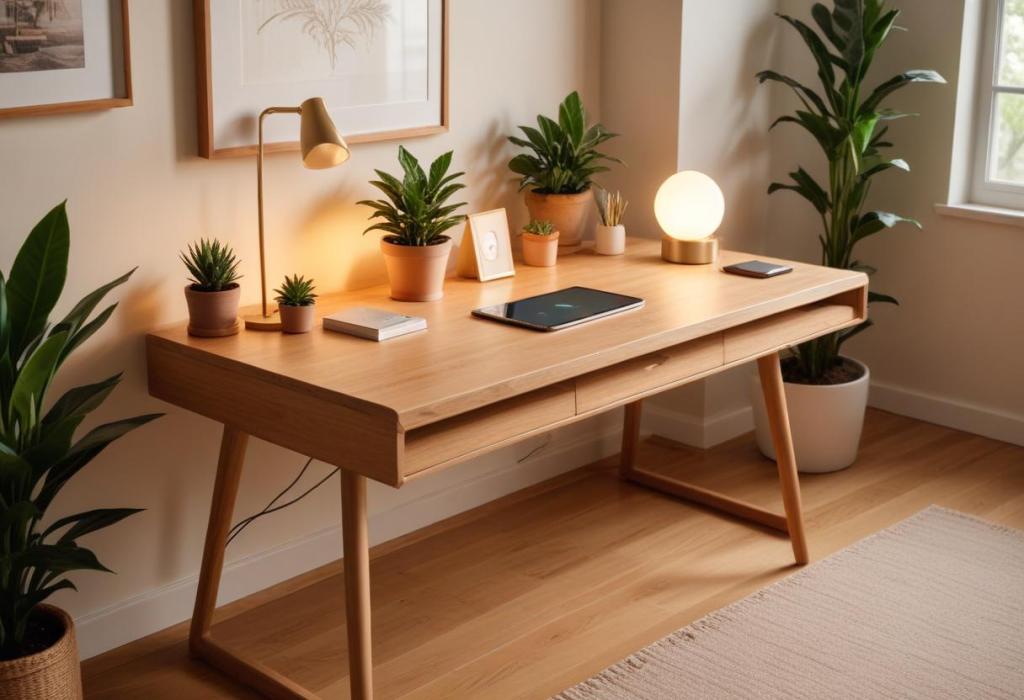
In the ever-evolving landscape of technology and design, smart furniture is poised to revolutionize how we interact with our living spaces. What once seemed like a concept from a futuristic sci-fi movie is quickly becoming a reality in homes and offices around the world. As technology continues to advance at a rapid pace, so too does the potential for integrating intelligence and functionality into everyday objects like furniture. Let’s explore some of the exciting future trends in smart furniture design that are shaping the way we live and work.
1. Integration of AI and IoT
Artificial Intelligence (AI) and the Internet of Things (IoT) are at the forefront of smart furniture innovation. Imagine a chair that adjusts its ergonomic settings based on your posture, or a table that adjusts its height automatically depending on whether you’re sitting or standing. These technologies enable furniture to adapt to our needs in real-time, enhancing comfort and usability.
AI-powered smart furniture can also learn user preferences over time. For example, a smart sofa might adjust its firmness or recline angle based on individual comfort profiles stored in the cloud. This level of personalization not only enhances user experience but also promotes better health and well-being by optimizing ergonomic support.
2. Multifunctionality and Modular Design
As living spaces become smaller and more versatile, multifunctional and modular furniture designs are gaining popularity. Smart furniture takes this concept further by integrating modular components that can be reconfigured based on changing needs.
For instance, a modular wall unit might serve as a storage cabinet, entertainment center, and workspace all in one. Smart sensors and actuators embedded within each module enable seamless transitions between different configurations, maximizing space efficiency without compromising on functionality.
3. Environmental Sustainability
With increasing awareness of environmental issues, smart furniture designers are focusing on sustainability as a core principle. This includes using eco-friendly materials, designing for longevity and recyclability, and incorporating energy-efficient technologies.
For example, smart lighting systems embedded in furniture can adjust brightness based on natural light levels to minimize energy consumption. Similarly, furniture made from recycled or upcycled materials not only reduces waste but also appeals to environmentally conscious consumers looking to minimize their carbon footprint.
4. Interactive and Immersive Experiences
Imagine a living room where your furniture becomes part of an immersive entertainment experience. Smart furniture is paving the way for interactive environments where sofas, chairs, and study table can synchronize with audiovisual systems to create a cohesive entertainment experience.
For example, a smart coffee table equipped with built-in speakers and LED lighting can react to movie scenes with ambient lighting effects and synchronized sound. This integration of sensory elements enhances the overall viewing experience, blurring the lines between furniture and entertainment technology.
5. Health and Wellness Features
In an era where health and wellness are increasingly prioritized, smart furniture is incorporating features that promote physical and mental well-being. This includes everything from ergonomic seating options to biometric sensors that monitor vital signs.
For example, a smart mattress equipped with sleep tracking sensors can analyze sleep patterns and adjust mattress firmness or temperature to enhance sleep quality. Likewise, ergonomic chairs with built-in massage functions can alleviate muscle tension and improve posture during extended periods of sitting.
6. Personalized Design Aesthetics
No longer limited to traditional styles, smart furniture is embracing customizable designs that cater to individual tastes and preferences. From color-changing surfaces to customizable patterns and textures, smart furniture allows users to personalize their living spaces like never before.
For example, a smart wallpaper system might feature digital displays that can be programmed to change colors or display custom patterns based on user input or environmental conditions. This level of customization not only enhances aesthetic appeal but also reflects the user’s personality and style preferences.
7. Security and Privacy
As smart furniture becomes more integrated into our daily lives, ensuring data security and privacy is crucial. Manufacturers are implementing robust encryption protocols and user authentication mechanisms to protect sensitive information collected by smart furniture sensors and devices.
For example, smart home systems can use biometric authentication to restrict access to personal data stored in furniture sensors or cloud-based platforms. Additionally, built-in privacy settings allow users to control the collection and sharing of data, ensuring peace of mind in an increasingly connected world.
8. Collaborative Workspaces
With the rise of remote work and collaborative environments, smart furniture is being designed to enhance productivity and collaboration. This includes integrating wireless charging stations, interactive whiteboards, and video conferencing capabilities directly into furniture pieces.
For example, a smart conference table equipped with integrated touch screens and connectivity ports enables seamless collaboration between remote teams. Embedded sensors can also analyze meeting dynamics, such as participant engagement and meeting duration, to optimize workspace efficiency.
9. Integration with Smart Home Ecosystems
Smart furniture is increasingly becoming part of larger smart home ecosystems, where interconnected devices communicate and collaborate to enhance overall home automation. This integration allows users to control and monitor their furniture using voice commands or mobile apps.
For example, smart furniture can synchronize with smart lighting systems, thermostats, and security cameras to create customized home environments based on user preferences and daily routines. This level of integration not only improves convenience but also promotes energy efficiency and home security.
10. Cost-Effectiveness and Accessibility
As technology matures and becomes more affordable, smart furniture is becoming increasingly accessible to a broader range of consumers. Manufacturers are exploring cost-effective production methods and scalable technologies to make smart furniture more affordable without compromising quality or functionality.
For example, modular smart furniture designs that can be assembled without specialized tools or expertise reduce installation costs and increase accessibility for consumers looking to upgrade their living spaces.
Conclusion
The future of smart furniture design is both exciting and transformative, offering endless possibilities for enhancing comfort, functionality, and sustainability in our living and working environments. As technology continues to advance, so too will the integration of AI, IoT, and other cutting-edge technologies into everyday objects like furniture. Whether it’s enhancing personal well-being, promoting environmental sustainability, or fostering collaborative workspaces, smart furniture is set to redefine the way we interact with our surroundings. Embracing these future trends in smart furniture design promises to create living spaces that are not only smarter and more efficient but also more enjoyable and responsive to our ever-changing needs.





 Perfect Furniture Designs
Leave a comment